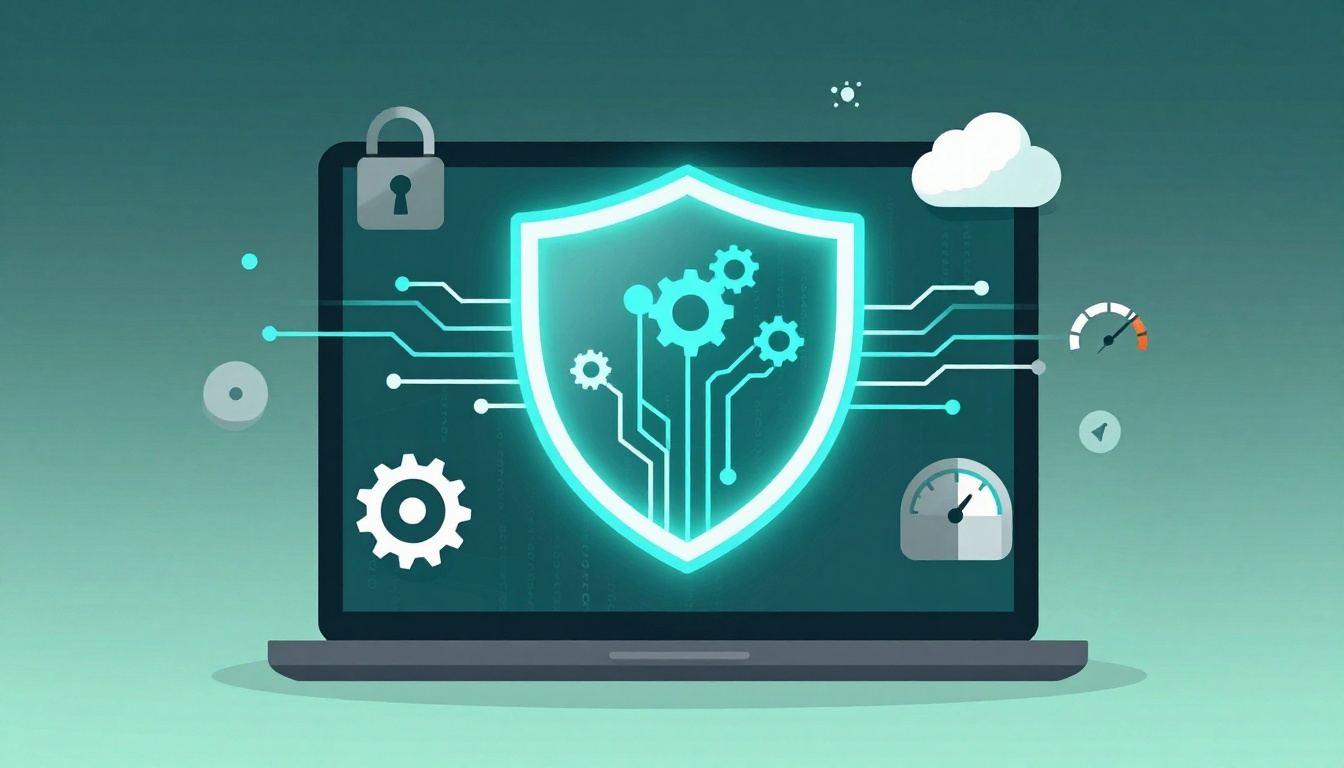
Picture this. Last month, a major retailer suffered a massive data breach. Hackers used AI-powered phishing to slip through unpatched software holes. They stole millions of customer records in hours. Luckily, a quick software update fixed the exact vulnerability. You might think it won’t happen to you. But data breaches jumped 40% this year. AI phishing now causes 42% of them. Global cybercrime costs hit $10.5 trillion annually.
Software updates act like regular tune-ups for your devices. They boost security, fix bugs, and add fresh features. Yet many skip them. Why? Fear of glitches or plain forgetfulness. In 2026, threats grow faster. Phishing attacks hit 70% of organizations. Ransomware strikes every few seconds. IoT devices in factories face hacks that halt production. Updates patch these risks. They block 80% of common attacks from unpatched flaws.
Skip updates, and you invite trouble. Your data leaks. Devices slow down. New apps fail. This guide shows why updates protect you. It covers big wins, real dangers, and easy steps to install them on any device. Ready to stay safe and speedy?
The Big Security Wins from Staying Updated
Updates seal cracks hackers love. They patch vulnerabilities before attacks hit. In 2026, AI threats speed up exploits. One report notes 24 AI-related CVEs in a single week. One got exploited in just 20 hours. Attackers scan for weak spots in old software. Updates close those doors fast.
Think of your device as a house. Unpatched software leaves windows open. Hackers, especially AI bots, sneak in. Recent Patch Tuesday forecasts highlight AI security gaps. Developers embed AI in code, but flaws persist. Updates fix them. For example, agentic AI patches now block autonomous attacks. Organizations using AI for defense reach 77%. They detect phishing in 52% of cases.
IoT breaches hit manufacturing hard. Outdated firmware lets ransomware spread. One plant lost production for days. Patches stop this. Global security spending tops $240 billion. Yet unpatched systems cause most breaches. Data theft follows. Costs run into billions per incident.
Benefits stack up:
- Stronger defenses: Block exploits in seconds.
- AI threat shields: Counter deepfakes and social engineering.
- Compliance ease: Meet rules like EU AI Act.
Staying updated saves money and stress. It keeps your info safe.
Performance Boosts and New Cool Features You Get
Updates do more than secure. They speed things up. Elite dev teams deploy code multiple times daily. This continuous delivery hits every two weeks for many. It brings quick fixes and gains. Developers see 53% better processes. Low-code tools boost productivity by 51%.
Your device benefits too. Updates optimize code. Apps run smoother. Battery lasts longer. Recent ones add AI code assistants. They write snippets for you. Dark mode cuts eye strain. Real-time IoT data flows faster on 5G.
Bug fixes come via short cycles. Feedback loops squash glitches fast. No more freezes during video calls. Cloud market grows to $640 billion. Updates match this pace.
Avoiding Compatibility Headaches with New Tech
New phones roll out yearly. 5G networks expand. Cloud services evolve. Old software clashes. Updates sync everything. Picture puzzle pieces that don’t fit. That’s outdated apps on fresh hardware.
Patches ensure smooth runs. AI designs demand it. IoT talks to clouds without hitches. Market growth demands reliability. Skip updates, and files won’t open. Calls drop on new networks.
Developers use trunk-based methods. Branches last one or two days. Merges keep code current. You get stable matches. No more “app not supported” errors.
Real-Life Dangers When You Skip Software Updates
People delay updates for reasons. They fear crashes. Slow internet stalls downloads. Some say, “It works fine now.” Others forget auto-options. But risks pile up fast.
Devices lag. Crashes increase. Laws change; old software misses rules. AI phishing fools more with deepfakes. 87% grow convincing. IoT hacks quadruple in supply chains. Manufacturing sees 28% breaches from old firmware. Production stops. Workers face dangers.
One example: a food plant’s line halted by ransomware. Costs soared. Unpatched cloud setups leaked 149 million credentials. Breaches cost billions. Attacks average 1,968 weekly per organization, up 18%.
Overcome fears with backups. Use Wi-Fi. Set auto-updates. Check monthly. Urgency matters, but panic doesn’t. Protect now.
For details on manufacturing IoT breaches, see real cases.
Step-by-Step Guide to Installing Updates on Any Device
Start smart. Backup data first. Connect to Wi-Fi. Charge over 50%. Check monthly. Enable auto-updates where possible. This cuts effort.
Troubleshoot basics: free space, restart, strong signal. Run as admin if stuck.
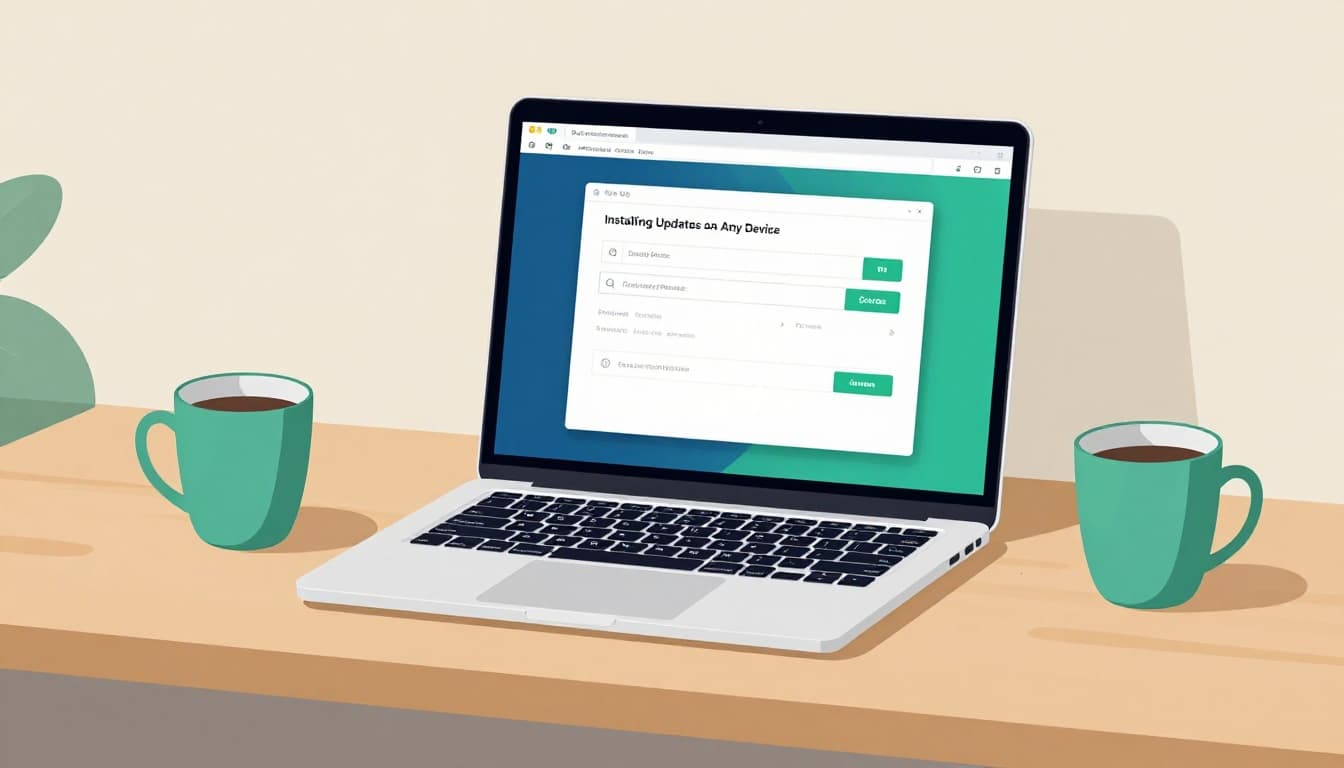
Updating Windows 11 the Easy Way
Microsoft pushes updates often. Follow these steps:
- Click Start. Go to Settings.
- Select Windows Update. Hit Check for updates.
- Download and install. Restart when done.
For auto: Search Services. Set Windows Update to Automatic.
Store apps: Open Library. Tap Get updates.
Need help? Free 20GB space. Check internet. Use Update Assistant. Detailed Windows 11 guide here.
Quick macOS and iOS Refreshes
Apple keeps it simple. macOS: System Settings > General > Software Update. Install and reboot.
iOS: Settings > General > Software Update. Turn on automatic.
Backup via Time Machine or iCloud first. If stuck, run Disk Utility. Wait out server loads. See Apple’s iOS update page.
Android and Browser Updates Made Simple
Android varies by maker. Settings > System > System update. Download over Wi-Fi.
Chrome: Menu > Help > About. It checks auto.
Firefox: Menu > Help > About. Auto-updates run.
Play Store: Profile > Updates. Airplane mode off. Clear space.
Full Android guide for 2026.
Stay Ahead: Update Today for a Safer Tomorrow
Software updates deliver security patches, speed gains, and fresh tools. They dodge breaches, lags, and tech clashes. In 2026, with AI threats rising, they matter more than ever.
Enable auto-updates now. Check manually each month. Your devices run better. You stay protected.
Pause and update one device today. Share your wins in comments. What update surprised you most? Subscribe for tech tips. Tech in 2026 shines brighter with updates.